
May 21, 2026
Saving money can remain difficult even with a steady income when housing, transportation, debt payments, healthcare, childcare, and everyday expenses...


Explore credit, debt, emergency savings, budgeting, and long-term financial habits that can support greater financial independence.
Understand how emotions, beliefs, habits, and confidence can influence spending, saving, debt, and financial decisions.

Explore investing, retirement planning, wealth-building concepts, and the financial factors that can shape women’s long-term security.

Learn how recessions, financial crises, labor-market disruptions, and debt can affect women’s income, careers, and long-term financial resilience.

Explore how wages, prices, credit cards, borrowing, and consumer spending affect everyday financial life in the United States.
Examine major financial crises and economic shifts from history and the lessons they offer for understanding risk, debt, and financial resilience today.
Saving money can remain difficult even with a steady income when housing, transportation, debt payments, healthcare, childcare, and everyday expenses...
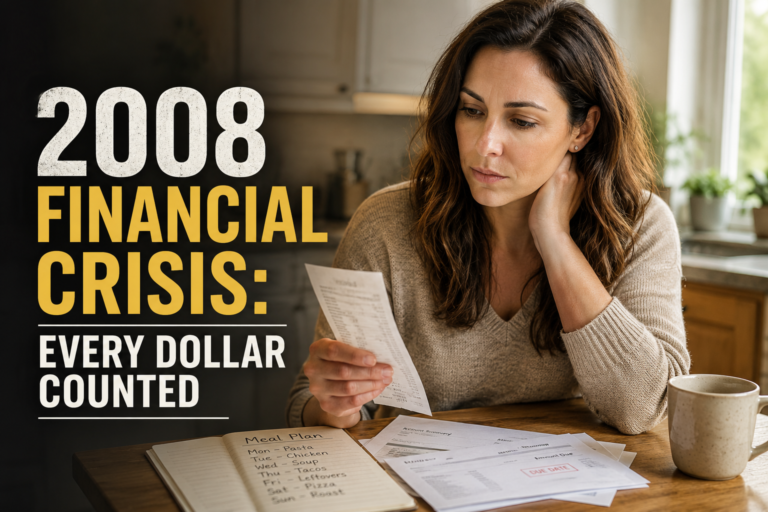
During the 2008 financial crisis, many women had to stretch household resources while managing job losses, reduced income, caregiving responsibilities,...
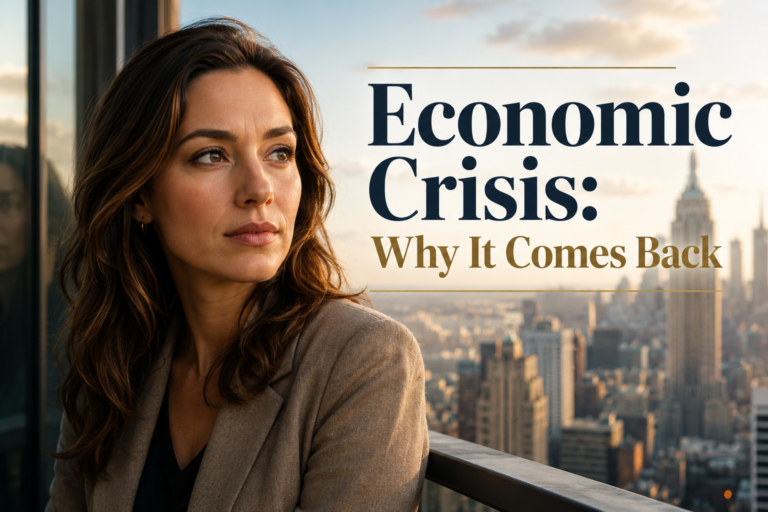
Financial crises recur when stability encourages credit, leverage, risk-taking, and optimistic narratives. Learn how the cycle rebuilds hidden fragility and...

Poverty among single mothers is shaped by more than income alone. Childcare costs, unstable employment, debt, housing expenses, limited savings,...

Black Friday promotions can make overspending feel like saving. Discounts, countdowns, limited-stock messages, free-shipping thresholds, and installment offers can encourage...

Compound interest allows money to grow not only from the original amount invested, but also from returns accumulated over time....

Women’s entrepreneurship has evolved through economic crises, changing labor markets, caregiving pressures, and new technology. This article examines how women...

The COVID-19 pandemic became a global financial stress test for households. Job losses, reduced income, caregiving demands, emergency spending, and...

A scarcity mindset can persist even when income improves. When financial decisions are shaped by fear, insecurity, or the expectation...
The future of work is being reshaped by artificial intelligence, automation, remote work, and changing skill demands. For women, these...

Emotions, stress, family beliefs, caregiving, digital triggers, debt pressure, and confidence can all influence how women spend, save, borrow, and...

The right emergency fund is not the same for every woman. Income stability, caregiving responsibilities, essential expenses, debt, and access...